The Internet is Boring (or Web 1.0 is still Alive)
The Internet is boring.
Wait, let me clear my throat and restate that.
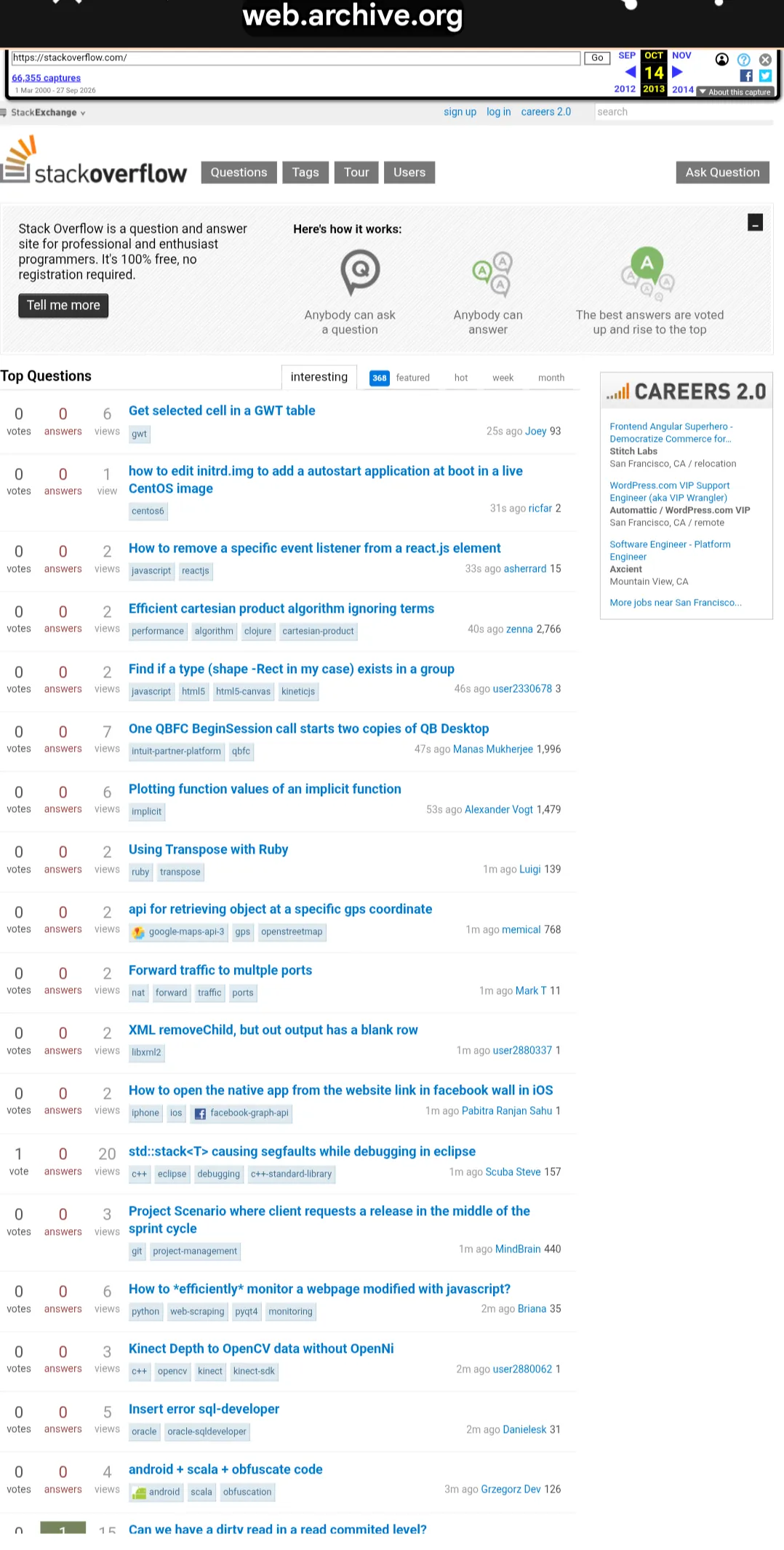
Web 2.0, the current iteration of the internet, is boring. Some would say it's dead. I won't go that far, but I will pose the thesis that it is becoming more lifeless and devoid of genuine human input, creativity and interaction.
On Insta, I watch the same comedy bit, with original audio overlayed, redone by several different content creators. Boring.
On YouTube, I see the same pop culture topics deep dive dove into over and over again by people talking at 1.5x speed and unnecessary zoom-ins. Boring.
My explore and fyp are filled with cat videos because the algorithms have learned I'm guaranteed to click on at least one (or twenty, as the rabbit hole of endless scroll unfurls). Boring.
In this survey of unending boring and repetitious content, something intriguing finally happened. My mind suddenly became aware of the year (contemporary time seems to be slipping by like goo), and the memory reel began to play.
About an eon again, circa early 2000s, there was something called Web 1.0 (before the analog cord was permanently disconnected from our current reality).
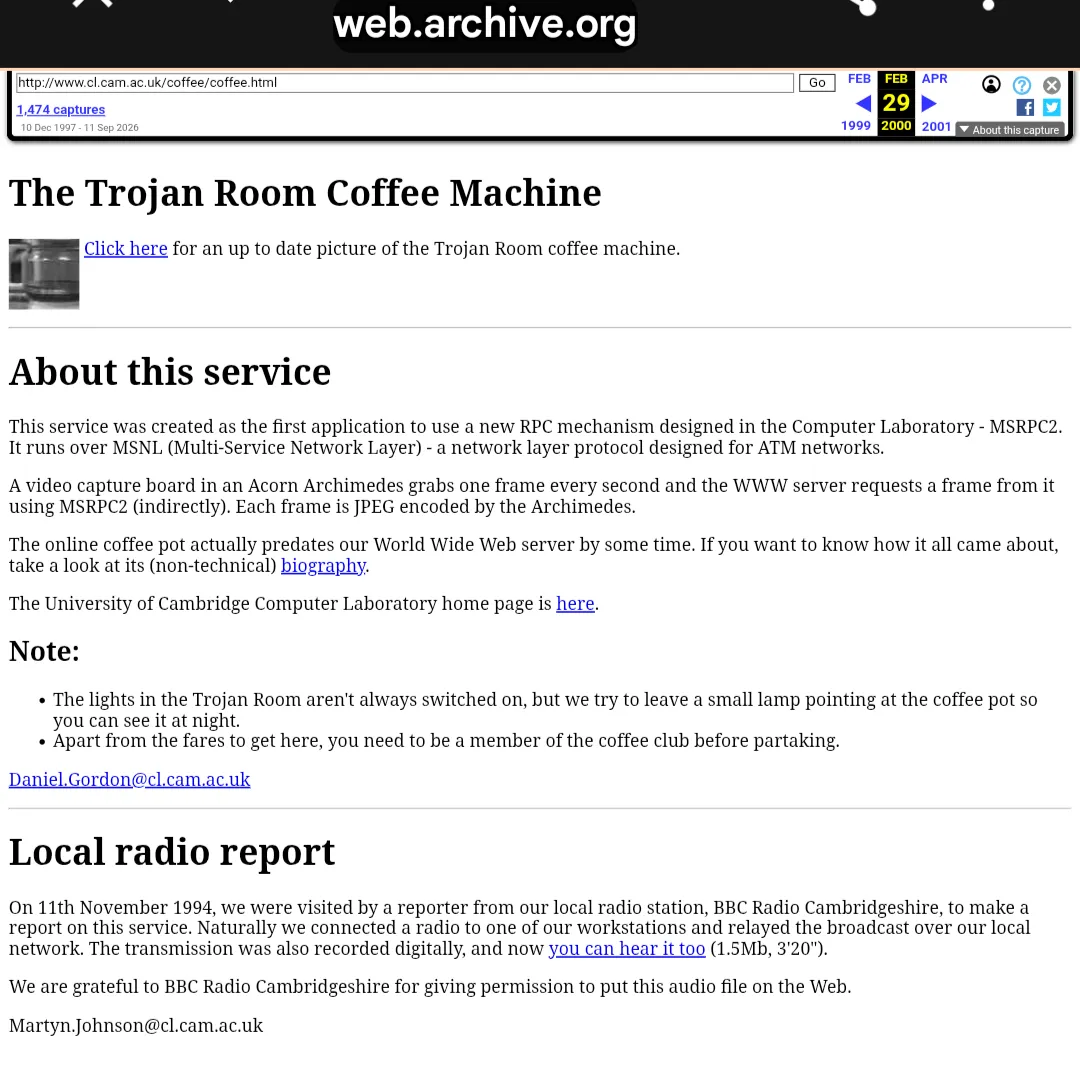
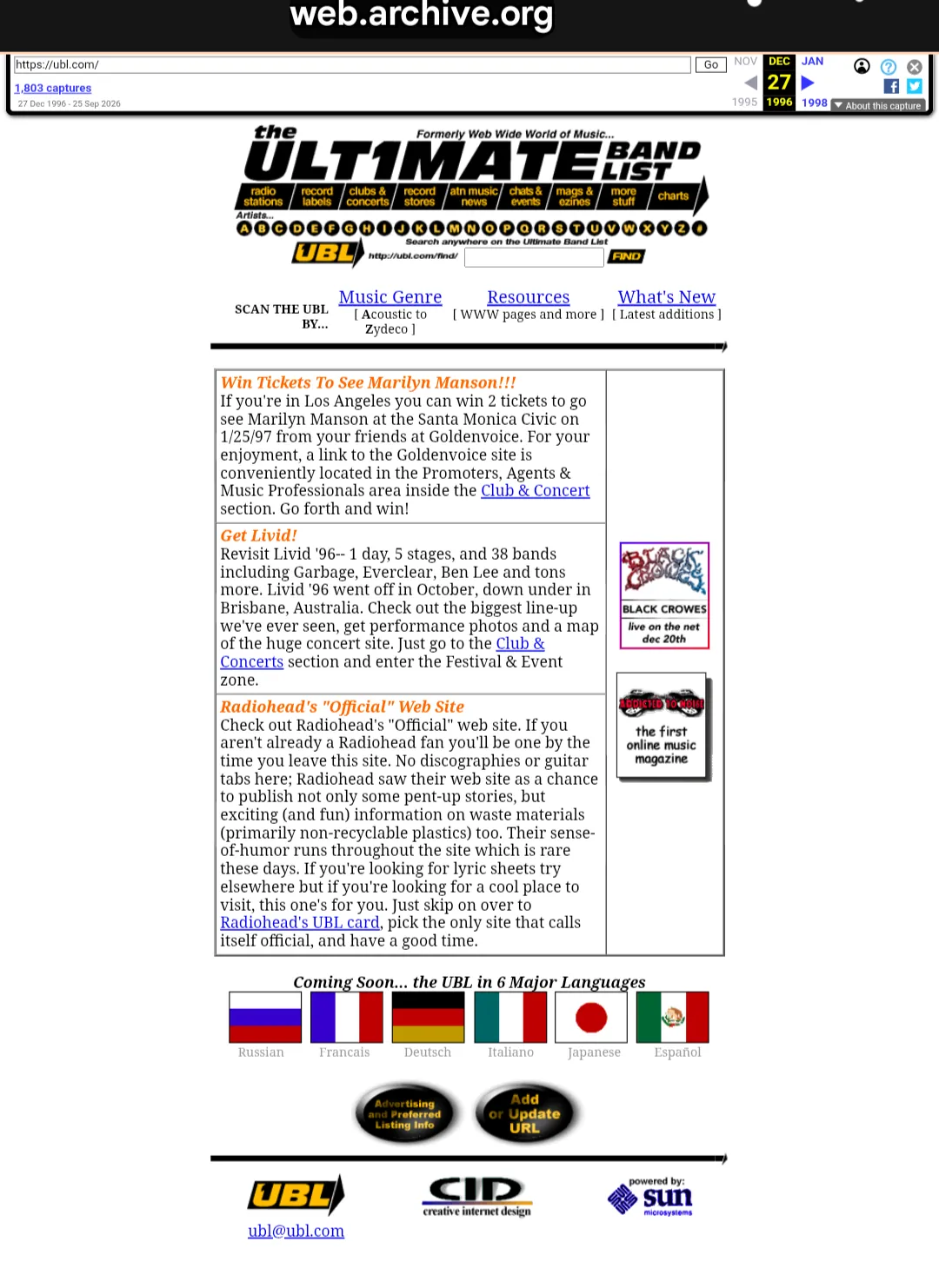
The Internet was this vast galaxy to explore via a spaceship called a personal computer (a full setup would seem like a monolith to anyone now who wasn't there then). If you could get that dial-up going strong, there was so much to actually find and explore. On your own. No suggested content. No ear-hustling by phones that would eventually redirect your scroll content to an ad for a home remodeling page because someone you were chatting with in person mentioned that they might want to redo their bathroom. You steered your own ship, curated your own discoveries, found your own content to consume. And there were so many out there. Uniquely built, and proudly maintained by a person or small groups of people (who actually collabed not just messaged via Teams and Slack).
The fun wasn't waiting for the app to fill your screen. The fun was in you finding new sites to visit, created from actual people with a sincere passion that showed in the uniquely designed overlay of their static pages and hubs.
Which led to my next question. Where did everyone go? More specifically, where did all the self-built pages go? Did they still exist or had they been absorbed by Web 2.0? Did the hours of design fadeout into oblivion or did the remnant still stand for us to visit and admire the might and majesty of a simple design that would stretch on through the ages, like Stonehenge.
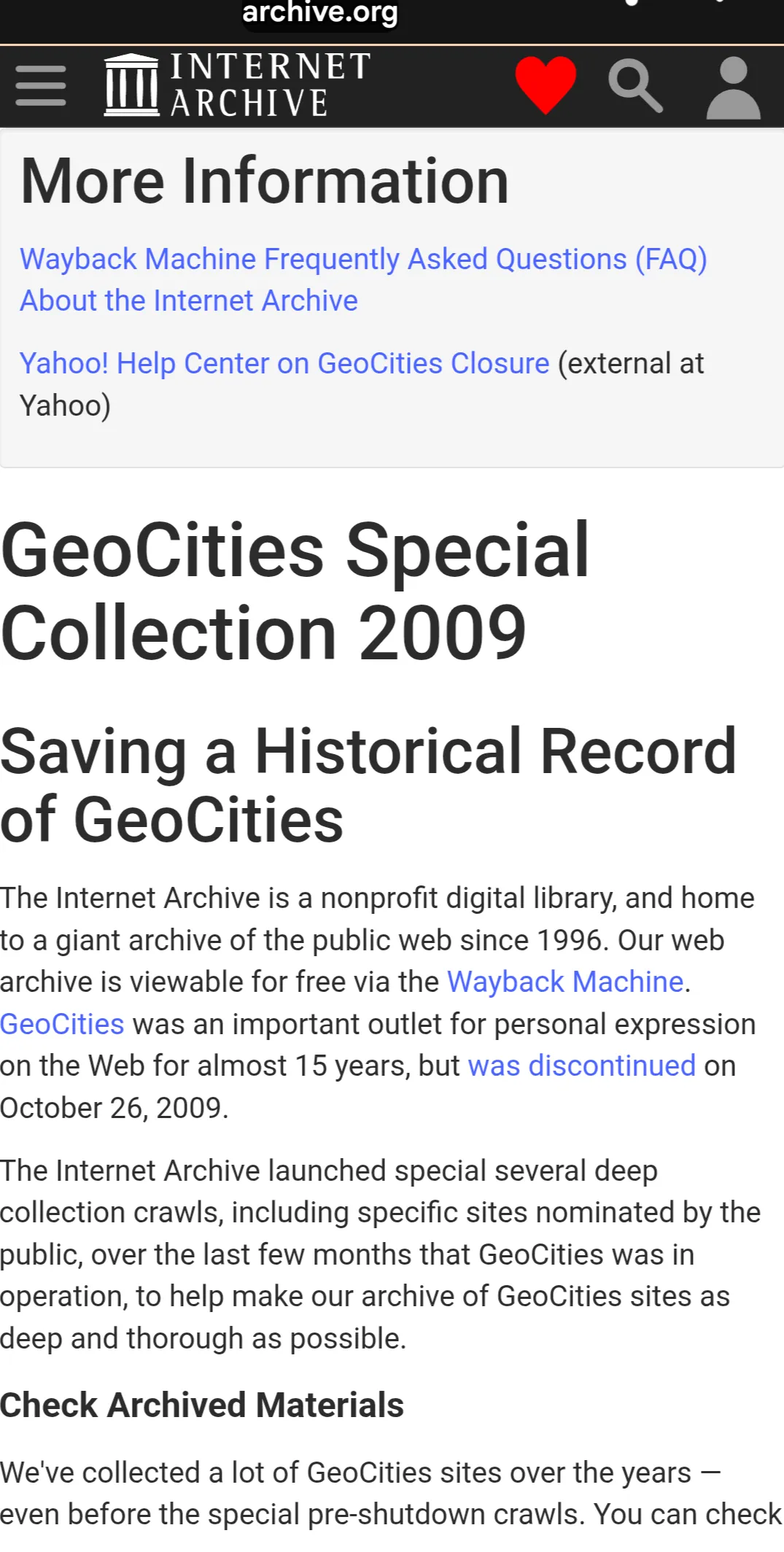
So I did what we do in the now, I asked Claude. And was given a portal to the before-times. So many pages preserved to browse. A forgotten sector of space, sitting forever frozen, awaiting a new team of explorers to arrive.
For me, a beacon of hope. If web 1.0 is still alive (although eternally encapsulated), there's hope for 2.0 to change course towards something human-steered. The internet can come alive again, if we really want it to.
Like any unknown voyage, the travel may be long, the monsters are definitely real, the traps are set, the distractions are many, but the discovery of the new homeworld waiting on the other side of them is so worth the exhausting journey.
Q.
Potential next questions to ponder, query, and dissertate on: If I don't like Web 2.0, why am I still active on it? Also, if AI makes me roll my eyes up, why do I have Claude pinned to my home screen?
 Watch on YouTube
Everything I craft, clipped together in one place.
Here's my personal web page →Get new reels and open thoughts sent straight to your inbox.